
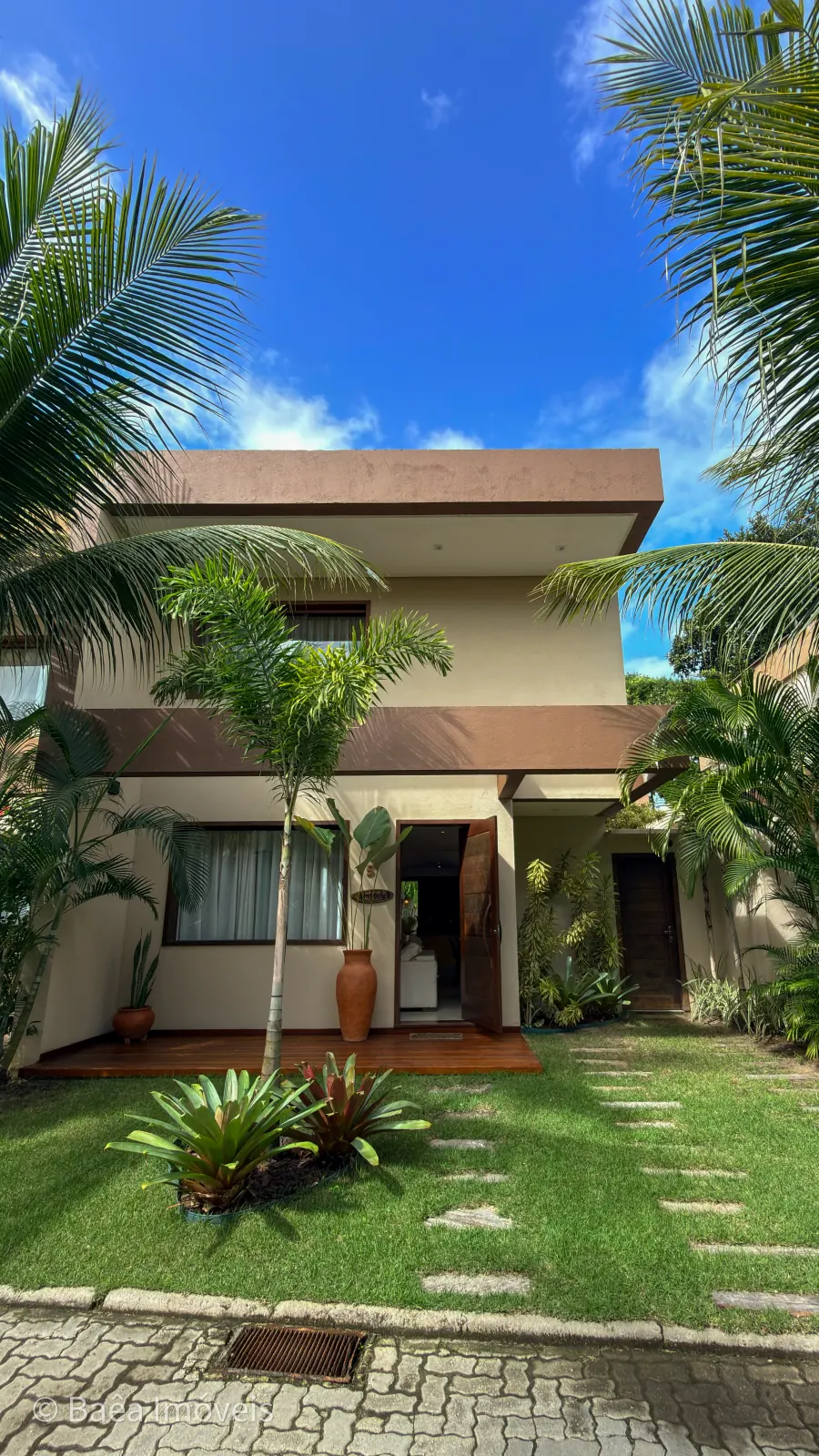
A foreign individual can generally buy urban property in Brazil, but the purchase requires careful legal, tax and title checks. Obtain a CPF, use an independent Brazilian property lawyer, verify the title and debts, document the foreign-exchange route, sign the correct deed and register the transfer at the competent Real Estate Registry; never rely on a private contract or payment receipt alone as proof of ownership.
Important scope: this is general information, not legal advice
Property law is high-stakes and every transaction is different. Marital status, tax residence, the buyer’s country, the property’s classification, corporate ownership, powers of attorney and the source of funds can change the documents and risks. This guide explains a sensible process for an urban home in Arraial d’Ajuda, but it cannot replace advice from a Brazilian lawyer, accountant, notary or registry officer reviewing the actual deal.
Rural property and land in special areas are subject to additional restrictions. Brazil’s land authority, INCRA, controls foreign acquisition and leasing of rural property and describes authorisations and limits that do not apply in the same way to a normal urban villa. Confirm that the property is legally classified and registered as urban before using an urban-home checklist.
Step 1: obtain and regularise your CPF
The CPF is Brazil’s individual taxpayer registration. Receita Federal rules require people resident in Brazil or abroad to register when they conduct real-estate transactions or own assets subject to public registration, including property. The government service is available to Brazilian and foreign individuals, whether resident or non-resident. A CPF is an identifier; it is not a residence permit and does not by itself make a transaction safe.
Apply through the current official route and make sure the name, nationality, date of birth and other details match your passport and civil documents. If a spouse must participate, their documentation may also be required. Do not pay an unverified intermediary merely to obtain a CPF; the official government service explains the available online and in-person channels.
Step 2: appoint independent professionals
The seller’s broker, the condominium manager and a notary can provide useful information, but none substitutes for your own independent legal review. Hire a Brazilian lawyer experienced in real estate and foreign buyers. Ask for a written scope covering title review, seller checks, contract negotiation, tax and registry coordination. If you need tax or company advice, use an accountant separately.
If you are outside Brazil, you may need a power of attorney. The form, apostille or consular legalisation, sworn translation and registration requirements depend on where it is issued and how it will be used. Have the Brazilian lawyer and intended notary approve the wording before you sign abroad. A broad generic power of attorney creates avoidable risk.
Step 3: verify the property, seller and condominium
Start with a recent full title certificate from the competent Real Estate Registry. Confirm the registered owner, property description, boundaries, liens, mortgages, judicial restrictions and any inconsistencies between the registry and what you visited. Check municipal registration, property tax, building approvals and whether the constructed area matches the legal records. A beautiful house with an unregistered extension can become the buyer’s problem.
Review the seller’s civil and tax position with your lawyer, because claims may affect the transaction. For a condominium property, obtain the convention, rules, meeting minutes, financial statements, fee history and written confirmation of outstanding charges. Check parking rights, exclusive-use areas, short-stay rental rules, pets, renovations, insurance and any planned special assessment.
In a coastal destination, physical due diligence matters too. Commission an independent inspection of structure, roof, waterproofing, pool, electrical and plumbing systems, air conditioning, drainage and signs of salt or moisture damage. Verify utility accounts and internet options. Do not treat a broker’s inventory as a technical survey.
- Current title certificate and registry description
- Municipal property registration and tax status
- Construction approvals and recorded built area
- Seller, spouse and representative authority
- Condominium debts, rules and pending assessments
- Independent technical inspection
- Furniture and equipment inventory if included
Step 4: agree on a contract that protects the process
A reservation form or preliminary purchase agreement should identify the parties and property precisely, state the price and currency logic, set conditions for due diligence, allocate taxes and fees, define the deposit and refund rules, list included furniture, and specify what happens if title or financing issues appear. It should not force the buyer to release a non-refundable deposit before essential documents are reviewed.
Have the lawyer explain which instrument transfers ownership in this transaction. In Brazil, signing a promise or paying the price is not the same as completing title registration. The deed and registration steps depend on the property value and structure. Ownership is secured through registration at the competent Real Estate Registry, so budget time for corrections and formalities rather than treating the handover date as the finish line.
Step 5: plan currency conversion and proof of funds
Banco Central do Brasil explains that a non-resident may pay a seller through a payment order in reais or foreign currency using an institution authorised for foreign exchange, may use reais held in a Brazilian account, or may remit to an authorised representative who performs the exchange and payment. Agree the route with the seller and regulated institution before transferring money.
Keep contracts, exchange records, bank confirmations and evidence of the source of funds. Do not send a large payment to a personal account merely because someone says it is faster. The payment path should match the contract and be reviewable by your bank, lawyer, accountant and tax authorities. Ask about exchange spread, transfer fees, settlement timing and what happens if the deed is delayed.
Step 6: taxes, deed, registration and handover
The buyer should obtain a written estimate of municipal transfer tax, notary costs, registry charges, legal fees, sworn translations, powers of attorney and bank or exchange expenses. Rates and bases can change, and exemptions or special situations require professional confirmation. Avoid copying a percentage from an old blog into your budget.
Before completion, the lawyer should confirm that the agreed conditions are satisfied and that no new registry or seller issue has appeared. Sign the deed or appropriate instrument through the approved process, pay through the documented route and submit the transfer for registration. After registration, obtain the updated certificate showing the buyer as owner. Then complete keys, inventory, utility, condominium and insurance handover.
If the property will be rented, get separate advice on licensing, tax, guest registration, insurance, consumer obligations and condominium rules. An existing rental history is evidence to analyse, not a guaranteed return. Request source records, distinguish gross bookings from net operating income and model vacancies, maintenance and management costs.
Property purchase and Brazilian residence are separate questions
Owning a house does not automatically grant ordinary residence. Brazil has a specific route under which qualifying urban real-estate investment with external funds may support a residence application, subject to current thresholds and conditions. The Ministry of Justice publishes the governing resolution. Treat immigration planning as a separate legal workstream and confirm the current rule before relying on it.
A holiday home, rental investment and residence strategy have different objectives. Decide which one you are pursuing before choosing the ownership structure. The simplest-looking structure is not always best for inheritance, tax or exchange reporting, especially when multiple family members or a foreign company are involved.
Red flags that justify pausing the purchase
Pause if the seller will not provide a current title certificate, pressures you to pay before legal review, asks for an unexplained third-party transfer, refuses to record included furniture, cannot reconcile the built area, or says registry formalities can be handled after you take possession. Also pause if the property is described as urban in marketing but rural in official records.
A careful pause is cheaper than fixing a defective title. Ask for documents in writing, let your own professionals verify them and keep every material promise in the contract. No view, discount or rental forecast compensates for unclear ownership.
Frequently asked questions
Can a foreigner buy a house in Brazil?
Foreign individuals can generally buy urban property, subject to documentation and transaction checks. Rural property and special areas have additional restrictions.
Do I need a CPF?
Yes. Receita Federal rules require CPF registration for real-estate transactions and ownership of property subject to public registration.
Does buying property grant residence?
Not automatically. A qualifying urban investment may support a separate residence application under current immigration rules, but professional advice is essential.
When do I become the owner?
The transfer must be registered at the competent Real Estate Registry. A private contract or payment alone should not be treated as the final proof of ownership.
Should I use the seller’s lawyer?
Use an independent Brazilian property lawyer who owes duties to you and reviews the actual title, seller, contract and payment route.
Sources and update policy
We use first-party or official sources where available and mark unconfirmed programmes as such. Event details, transport operations and legal rules can change; recheck before paying or travelling.
Continue with the Vila Jatobá travel guide, check availability, or explore things to do in Arraial d’Ajuda.